Bone grafting turns not enough bone into a starting point.
Rebuilding jawbone that has thinned after a missing tooth, planned with CBCT imaging as part of an implant treatment plan.
What Is Dental Bone Grafting?
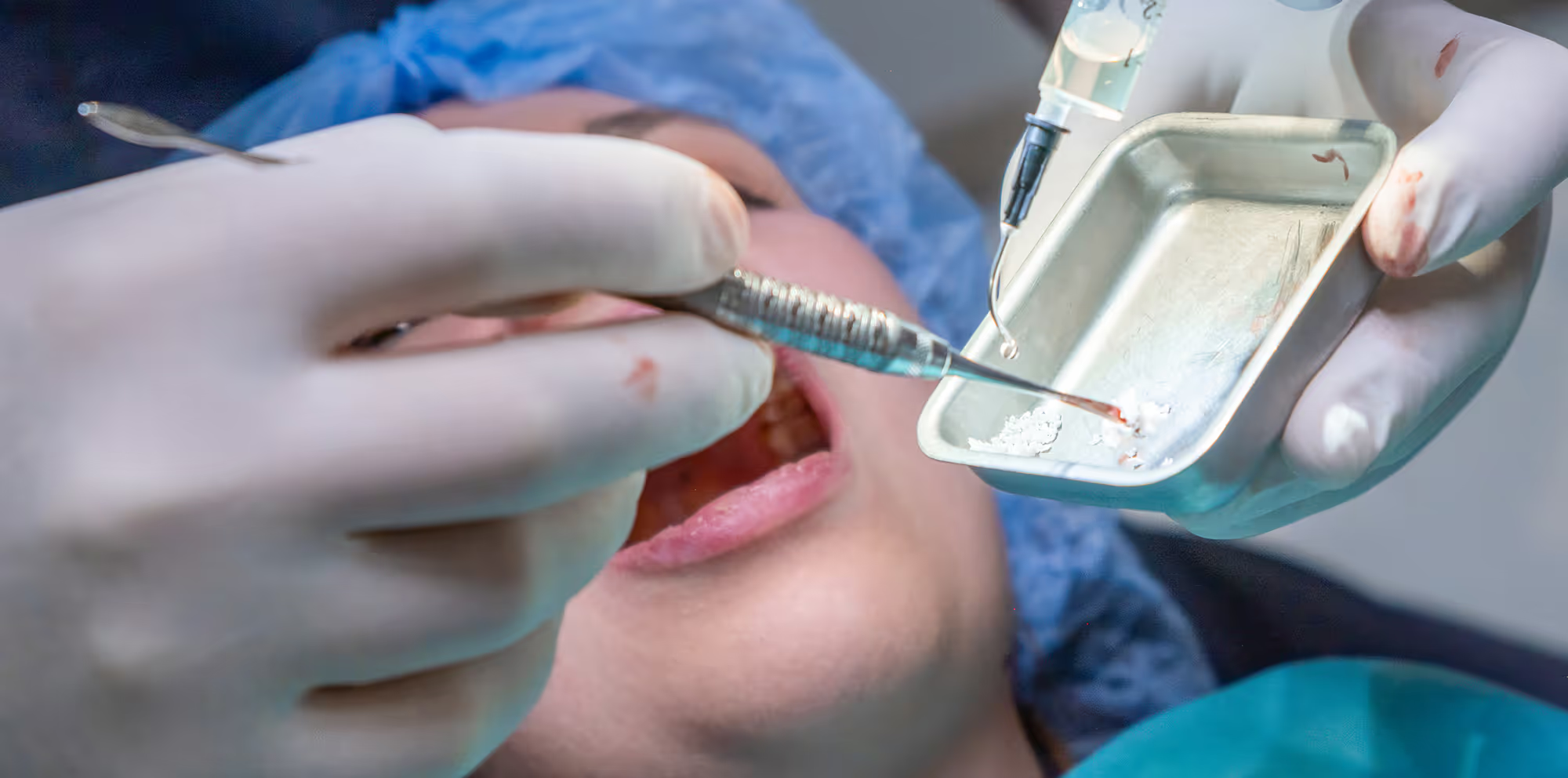
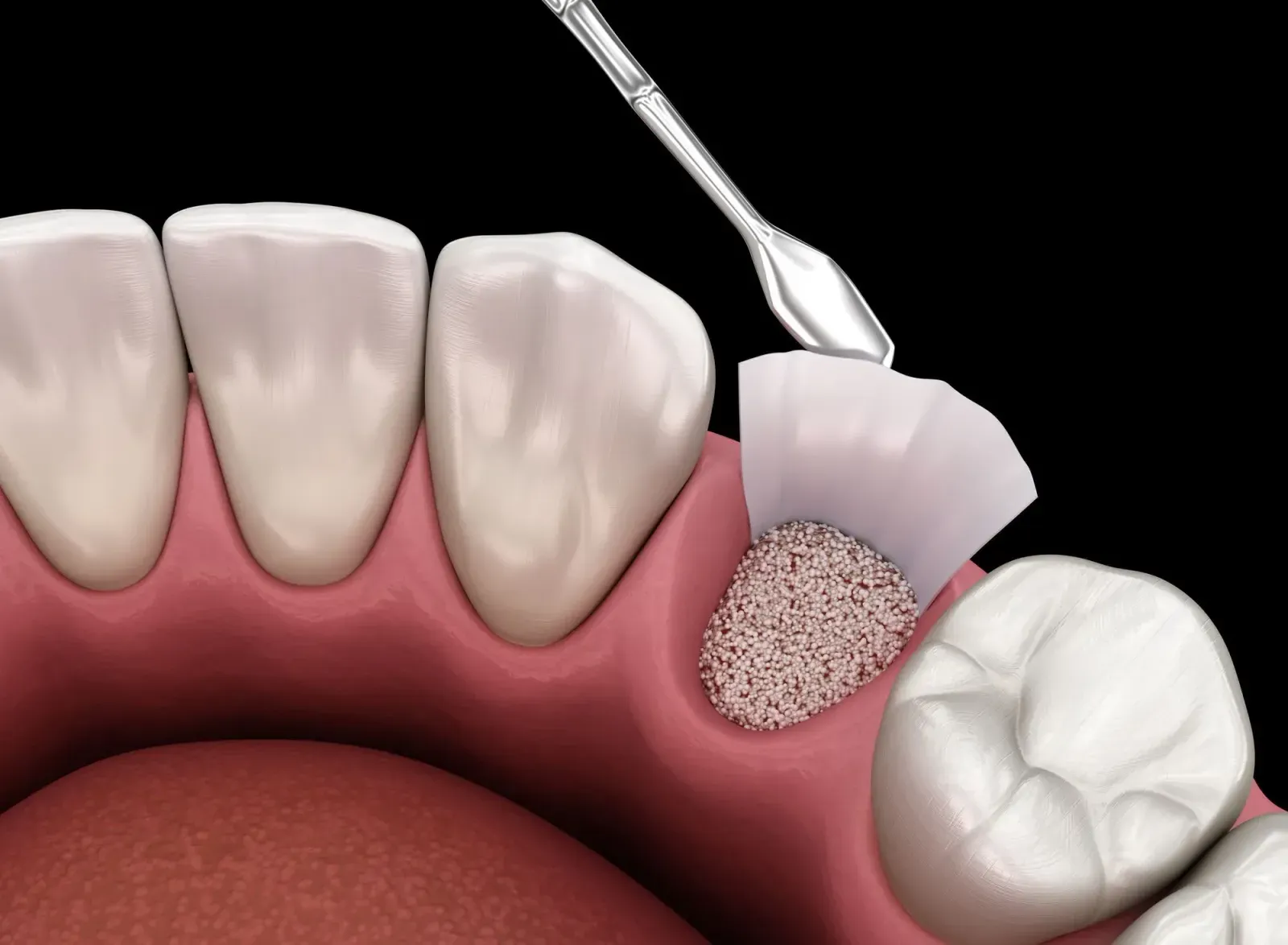
Bone grafting rebuilds jawbone that has been lost, so there is enough solid foundation to hold a dental implant. Grafting material is placed where the bone is thin or missing, and over the following months your body replaces it with your own new bone. It is one of the most common ways to make implants possible when bone has shrunk.
Bone is usually lost for a simple reason: once a tooth is gone, the bone that held it is no longer stimulated and begins to shrink. The longer a tooth has been missing, the more bone tends to disappear. Rather than being told there is nothing to anchor an implant to, you get the foundation rebuilt first. Pricing depends on how much bone needs to be built and is confirmed after your consultation and scan.
Why Bone Grafting Matters
Makes implants possible
Uses your own new bone
Planned for Your Implant Case
Planned in 3D
How Bone Grafting Works
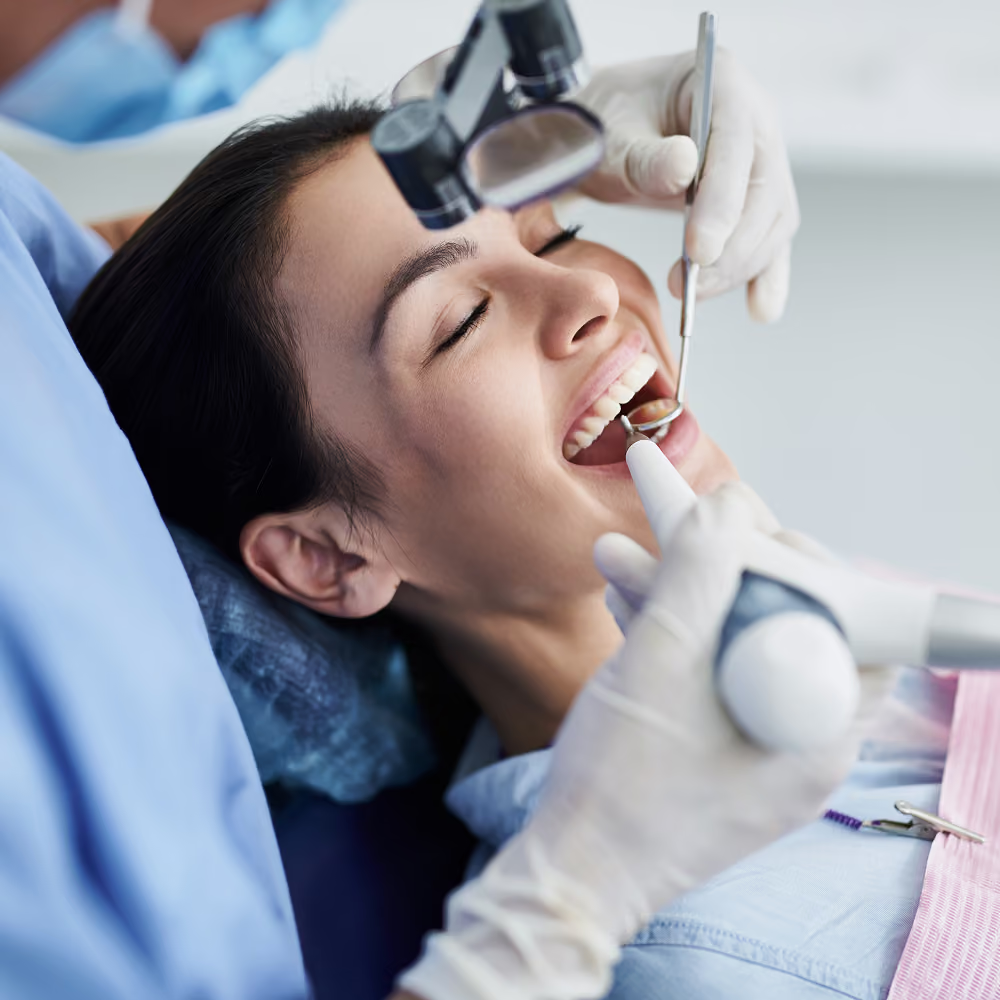
Consultation and 3D Scan
Treatment Planning
The Graft
Healing
Implant Placement
What Grafting Adds
Grafting is rarely something you budget for on its own. It is the groundwork that gives an implant something solid to hold.
A small socket graft and a larger ridge rebuild are different pieces of work. Your figure comes from your CBCT scan, since how much bone is missing decides what is involved.
Performed here in our own surgical suite, not referred to an outside specialist.
Planned from a 3D CBCT scan that shows exactly what bone is left.
One team and one file from the graft through to the final tooth.
An itemized written quote showing the graft and the implant separately.
Bone loss in the upper jaw near the sinus is handled by a Sinus Lift. To see what the graft is building toward, read about Dental Implants.
Why Choose Restore for Bone Grafting
Many practices place implants but send grafting out to a specialist, splitting your treatment across two offices and two fees. Restore does the grafting, the implant, and the final tooth in one place, with one team who planned the whole thing from your first scan. Bone loss rarely means being turned away here; it means one more step, handled under the same roof.
Bone grafting is planned around the implant site and your restorative goals, with the treatment sequence reviewed before care begins.
Graft and implant planned together from a single 3D scan.
One team accountable from the graft through to your final tooth.
A board-certified implant dentist who performs the procedure personally.
Get in touch
Providing expert dental care with advanced technology in a comfortable and friendly setting. Your smile is our priority!
Conveniently located in Las Vegas, we proudly serve patients from Summerlin, Spring Valley, Enterprise, Henderson, and surrounding communities.