Recovery after dental bone grafting or a sinus lift requires protecting the surgical area while new tissue and bone begin to heal. Although these procedures are often part of dental implant treatment, their aftercare has some important differences from routine implant or extraction recovery. If you had a sinus lift, controlling pressure in your nose and sinuses is especially important. This guide explains what to expect, how to protect the graft, what to eat, how to keep your mouth clean, which sinus precautions may apply, and when to contact Restore Dental Implant Studio. If Dr. R.J. Guideng gives you instructions specific to your procedure, follow those instructions first.
What to Expect After Bone Grafting or a Sinus Lift
Recovery varies depending on where the graft was placed, how much bone was added, whether a tooth was removed at the same visit, whether an implant was placed at the same time, and whether the procedure involved the maxillary sinus.
During the early healing period, you may experience:
- Swelling around the gums, cheek, or jaw
- Mild to moderate soreness
- Bruising
- Minor bleeding or blood-tinged saliva
- Jaw stiffness
- Tenderness around the surgical site
- A feeling of fullness or congestion after some sinus procedures
These symptoms can occur during normal recovery, but the pattern matters. Symptoms that become severe, worsen unexpectedly, or cause concern should be reported to Restore.
A bone graft also heals beneath the surface for much longer than the initial soreness lasts. Feeling comfortable again does not mean the graft has finished maturing.
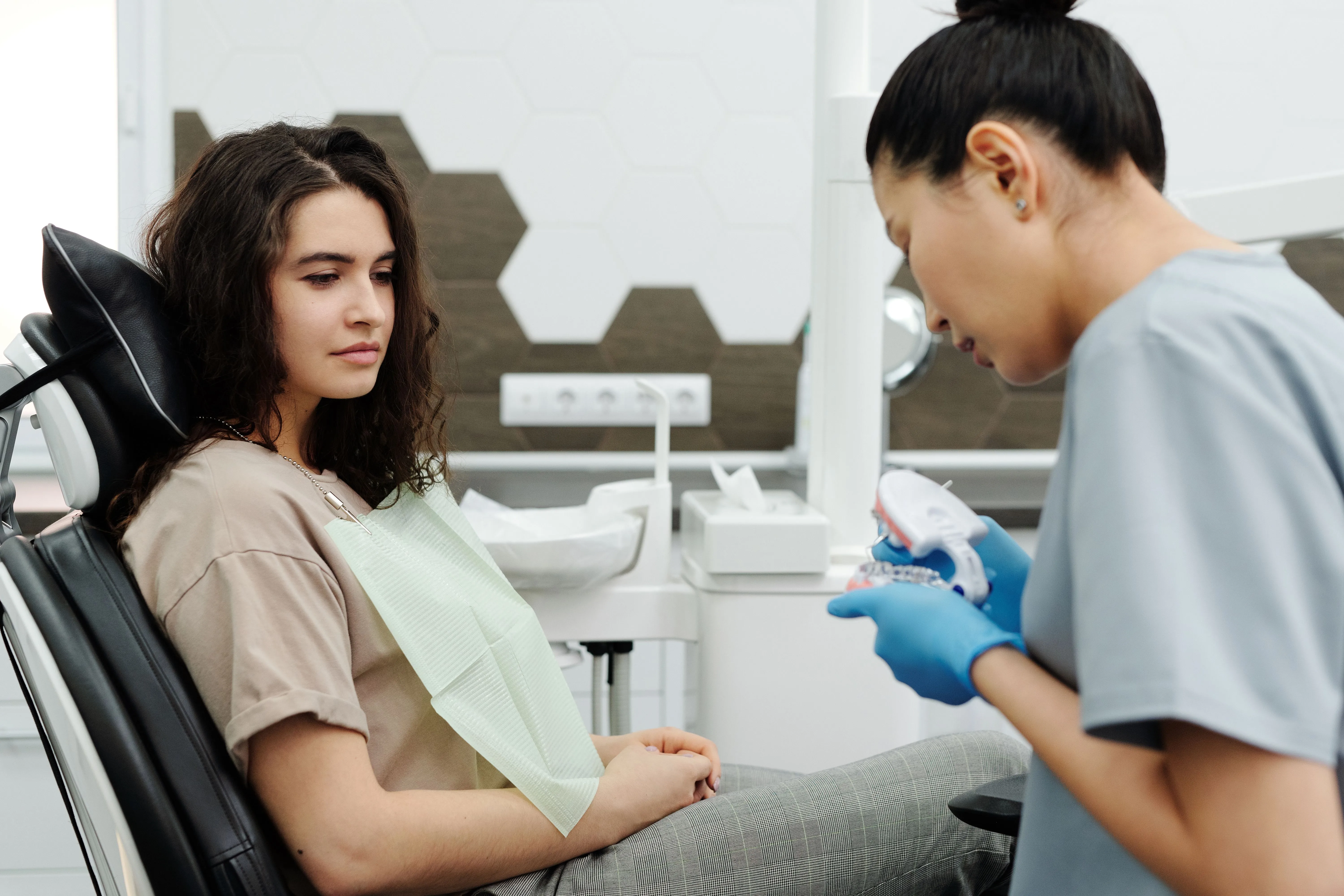
Why Bone Graft Aftercare Is Different
A dental bone graft is used to preserve or rebuild bone where additional support may be needed. In implant dentistry, this can help create a more suitable foundation for future implant placement or support treatment in an area where bone volume is limited.
The grafted area needs time and stability while your body heals around the material and remodels the site. This is why postoperative instructions focus on avoiding unnecessary pressure, trauma, aggressive cleaning, smoking, and repeated touching of the area.
If your graft followed a tooth extraction, you can also review our tooth extraction recovery guide for general extraction aftercare. Your procedure-specific instructions from Restore take priority whenever the guidance differs.
Sinus Lift Recovery Requires Extra Pressure Precautions
A sinus lift, also called sinus augmentation, is performed in the upper back jaw when additional bone is needed near the maxillary sinus. Because the surgical area is closely related to the sinus, changes in nasal or sinus pressure can matter during early healing.
If you had a sinus lift, Restore may give you specific sinus precautions and a timeframe for following them. These instructions can differ depending on the procedure, so use the timeframe provided for your case.
Common precautions may include:
- Do not blow your nose until Restore says it is safe
- If you need to sneeze, keep your mouth open rather than trying to suppress the sneeze
- Avoid creating strong suction in your mouth
- Do not smoke or vape during healing according to your instructions
- Ask before activities involving significant pressure changes, such as flying or scuba diving
Do not test whether your sinus feels healed by deliberately creating pressure. If you are congested, have allergies, need to travel, or have another reason that makes these precautions difficult, contact Restore for individualized guidance.
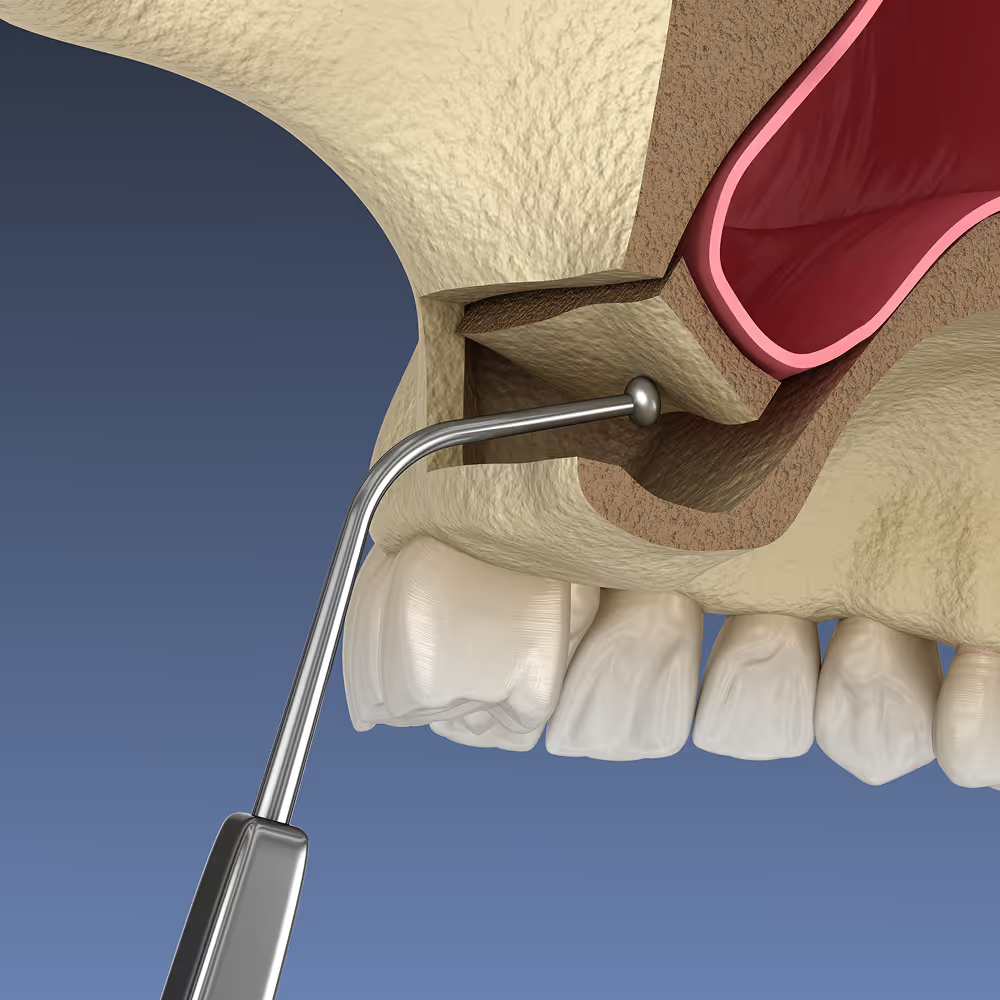
Why You Should Not Blow Your Nose After a Sinus Lift
Nose blowing increases pressure within the nasal and sinus spaces. After a sinus lift, Restore may restrict nose blowing to reduce unnecessary pressure near the healing sinus membrane and grafted area.
If your nose feels congested, do not assume that blowing it gently is automatically safe. Follow the sinus precautions you were given. Wipe the nose gently as needed and contact the office if congestion becomes difficult to manage.
If you sneeze, do not deliberately hold the sneeze in. Keeping your mouth open can help avoid concentrating pressure in the sinus area.
For general information about sinus augmentation, see patient information from the American Association of Oral and Maxillofacial Surgeons.
Swelling, Bruising, and Discomfort
Swelling and soreness can occur after grafting and sinus procedures. The amount varies based on the size and location of the surgery.
Your postoperative instructions may recommend a cold pack against the outside of your face during early recovery. If so, follow Restore's directions and avoid applying ice directly to your skin.
Use prescribed or recommended medications exactly as directed. Do not increase medication doses because discomfort has not disappeared immediately, and do not combine medications unless you know the combination is appropriate for you.
If you were prescribed an antibiotic, follow the directions on the prescription and the instructions provided by Restore.
Contact the office if pain becomes severe, swelling changes unexpectedly, or your symptoms become increasingly difficult to manage.
What Can You Eat After a Dental Bone Graft?
Soft foods that require minimal chewing are generally easier during early recovery. Try to keep chewing pressure away from the surgical area while it is tender.
Options may include:
- Yogurt
- Applesauce
- Scrambled eggs
- Mashed potatoes
- Soft pasta
- Oatmeal after it has cooled
- Soft cooked vegetables
- Soup that is not excessively hot
- Cottage cheese
- Other soft foods recommended by your doctor
Avoid hard, crunchy, sharp, sticky, or seeded foods around the grafted site. Small food particles can be difficult to manage near a healing surgical area, and hard foods can place unnecessary pressure on the site.
If you had a sinus lift, follow any additional instructions about straws or suction. Drink directly from a cup unless Restore has told you otherwise.
Return to firmer foods gradually based on comfort and your individual postoperative instructions.

How to Keep the Grafted Area Clean
Oral hygiene remains important during recovery, but the grafted area should be treated gently.
Continue cleaning the rest of your mouth according to your normal routine while following Restore's instructions around the surgical site. Do not scrub directly over a fresh incision or insert a toothbrush, toothpick, cotton swab, or other object into the grafted area.
If you were given a prescribed or recommended rinse, use it exactly as directed. When rinsing is permitted, avoid aggressive swishing or forceful spitting.
If food seems to collect near the area and you are unsure how to remove it safely, contact Restore rather than probing the graft.
Are Small Bone Graft Particles Normal?
Some patients notice tiny granules or particles near the surgical area after bone grafting. Depending on the graft material and procedure, a small amount of material near the surface may not mean the entire graft has failed.
Do not repeatedly inspect, press, or manipulate the area to determine whether graft material is moving. The surgical site is better left undisturbed.
Contact Restore if you notice continued loss of material, a significant change in the surgical area, increasing pain, wound opening, or anything else that concerns you. A clinical evaluation is more useful than trying to judge graft success from what you can see in the mirror.
Smoking and Vaping During Bone Graft Healing
Smoking and vaping can interfere with oral wound healing and are especially undesirable when the goal is to create or preserve bone for implant treatment.
Avoid tobacco and nicotine products according to the instructions provided by Restore. If you smoke or vape and are having difficulty avoiding them during recovery, tell the team so they can give you appropriate guidance.
Do not assume that the graft is no longer vulnerable simply because swelling and soreness have improved. Biological healing continues beneath the gum after you feel better.
Exercise, Flying, and Returning to Normal Activities
Give your body time to recover before returning to strenuous exercise, heavy lifting, or physically demanding work. The appropriate timeline depends on the procedure and your individual healing.
If you had a sinus lift, ask Restore before activities that involve substantial pressure changes. Flying, scuba diving, and certain other activities may require additional planning during sinus healing.
Do not rely on another patient's timeline. A small socket graft and a larger sinus augmentation are different procedures and may require different restrictions.
How Long Does a Dental Bone Graft Take to Heal?
The initial surgical recovery and the deeper bone-maturation process happen on different timelines. Your gums and soft tissues can become comfortable well before the graft has fully remodeled and developed the characteristics needed for the next stage of treatment.
Bone graft healing often takes months rather than days. The exact timing depends on the type and size of graft, the location, your existing bone, whether an implant was placed simultaneously, your health, and other clinical factors.
Restore will determine when the site is ready for the next stage based on your treatment plan and clinical evaluation. A calendar alone cannot confirm that a graft is ready for implant placement.
If bone grafting is part of your implant plan, learn more about dental implants at Restore and how the treatment process is planned around the individual site.
When Can an Implant Be Placed After Bone Grafting?
Implant timing after bone grafting depends on how the graft was performed and how the site heals. In some situations, an implant may be placed at the same appointment as grafting. In others, the graft needs a separate healing period before implant placement is considered.
Your doctor evaluates the available bone, graft stability, implant site, and treatment goals when determining timing. Larger grafts or sinus augmentation may require a different sequence from a smaller graft around an extraction site.
Patients replacing one missing tooth can also learn about single dental implants.
When Should You Call Restore After Bone Grafting or a Sinus Lift?
Contact Restore Dental Implant Studio if something about your recovery concerns you, particularly when symptoms are severe, unexpected, or becoming worse rather than easier to manage.
Reasons to contact the office may include:
- Persistent or excessive bleeding
- Severe or worsening pain
- Unexpectedly increasing swelling
- Signs of a possible infection
- An unexpected reaction to medication
- Significant or continuing loss of graft material
- Wound opening or a major change at the surgical site
- Concerning nasal drainage or bleeding after a sinus procedure
- A sensation that air or liquid is moving between the mouth and nose
- Any postoperative symptom that feels unusual or worrying
Difficulty breathing or another potentially life-threatening symptom requires emergency medical attention rather than waiting for a routine dental response.
You do not need to diagnose a graft or sinus complication before calling. Describe what you are experiencing and let the clinical team determine the appropriate next step.
Visit the Restore Dental Implant Studio contact page for current contact and appointment information.
Protecting the Foundation for Your Dental Implant
Bone grafting and sinus augmentation are often performed because the quality and quantity of bone matter to implant treatment. The early recovery period is only the first part of that process.
Follow your postoperative instructions even after you begin feeling normal, keep recommended follow-up appointments, and avoid testing the grafted area yourself. Restore can monitor healing and determine when the site is ready for the next stage.
If your graft followed a recent extraction, review our tooth extraction aftercare guide. If an implant has already been placed, our dental implant post-op instructions cover implant-specific recovery.
Your personalized instructions from Restore Dental Implant Studio should always take priority over general information online, including this guide.