Dental implant surgery starts a healing process that continues long after you leave the dental office. During the first few days, some soreness, swelling, bruising, and minor bleeding can be expected. What you do during this early recovery period can help protect the surgical site while your tissues begin to heal. These dental implant post-op instructions explain what to expect, what to eat, how to care for your mouth, which activities to avoid, and when you should contact Restore Dental Implant Studio. If Dr. R.J. Guideng gives you instructions specific to your procedure, follow those instructions first.
What to Expect After Dental Implant Surgery
Every patient's recovery is different. The number and location of implants, whether an extraction or bone graft was performed at the same appointment, your general health, and the complexity of your procedure can all affect how you feel afterward.
During the early healing period, you may notice:
- Mild bleeding or oozing from the surgical area
- Swelling around the gums, cheek, or jaw
- Mild to moderate soreness
- Bruising
- Jaw stiffness
- Tenderness when opening your mouth or chewing
- A different sensation around the implant site
These symptoms do not automatically mean something is wrong. Swelling, discomfort, and bruising can occur during normal healing after implant surgery. Your symptoms should generally become easier to manage as healing progresses. Pain, swelling, or bleeding that seems excessive, suddenly worsens, or concerns you should not simply be ignored.
If something does not feel right, contact Restore rather than waiting for your next scheduled visit.
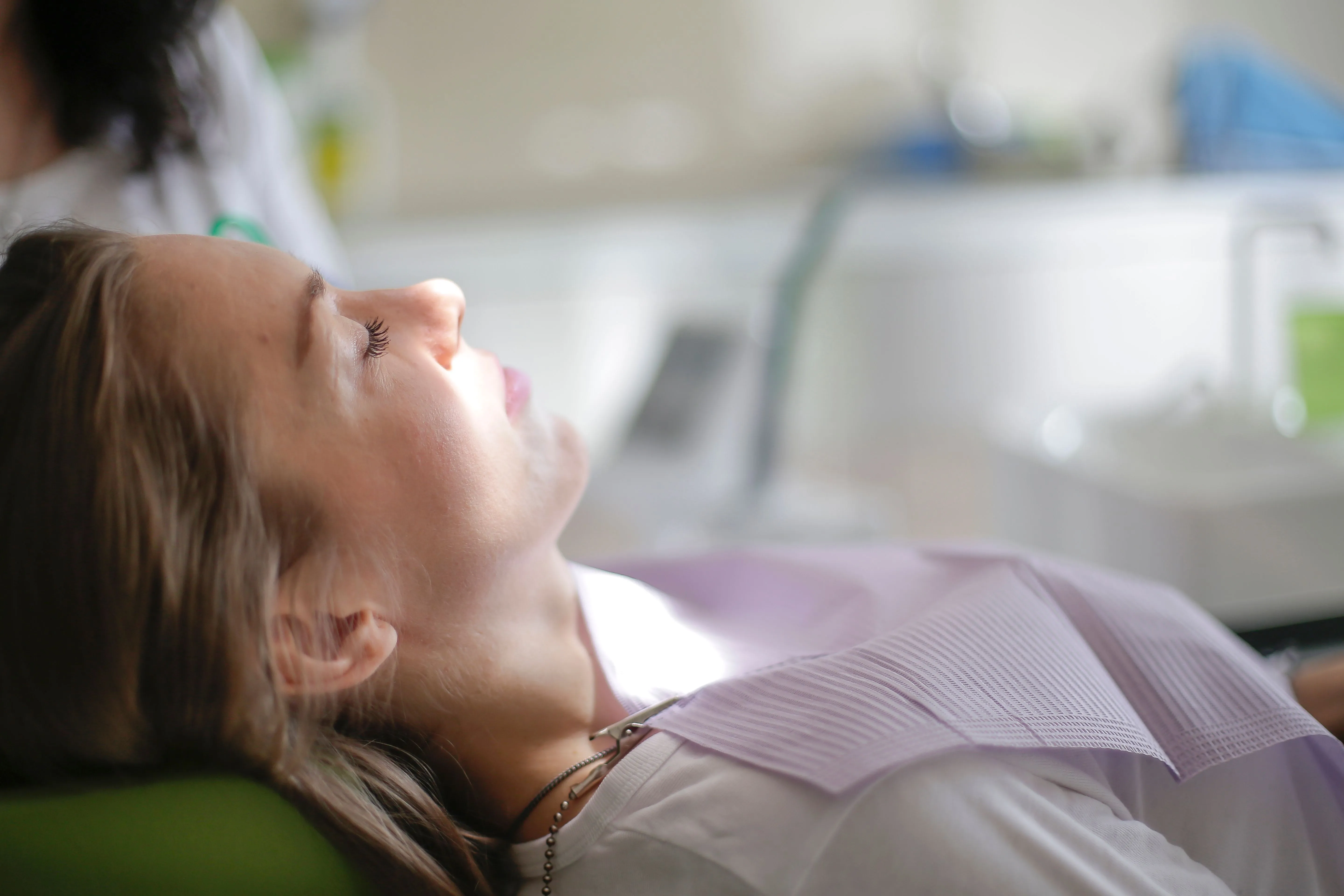
The First 24 Hours After Dental Implant Surgery
The first day is mainly about protecting the surgical area and giving your body an opportunity to begin healing.
Plan to rest after your procedure. Avoid unnecessary physical exertion, heavy lifting, strenuous exercise, or anything that significantly raises your heart rate unless your doctor has told you otherwise.
If gauze was placed, use it according to the instructions provided by Restore. Some oozing immediately after oral surgery can occur. Gauze is commonly used to help control this initial bleeding while the surgical site begins the healing process.
Avoid repeatedly touching the implant site with your fingers or tongue. It can be tempting to check the area, especially if it feels unfamiliar, but leaving the surgical site undisturbed is generally the better approach.
Be gentle with your mouth. Do not aggressively rinse or spit unless you have specifically been instructed to do so.
If sedation was part of your procedure, follow the separate sedation instructions provided to you, including any restrictions involving driving, work, decision-making, or having another adult stay with you.
For an overview of the treatments Restore provides, see our dental implant services.
How Much Bleeding Is Normal After a Dental Implant?
A small amount of bleeding or blood-tinged saliva can occur after oral surgery. This is different from persistent, heavy bleeding.
If you were given gauze, follow Restore's instructions for how and when to use it. Avoid constantly removing the gauze simply to check the site, since unnecessary disturbance can interfere with the early healing process.
Contact Restore if bleeding appears excessive, does not respond to the instructions you were given, or worries you.
Do not make assumptions based only on how red your saliva looks. A relatively small amount of blood mixed with saliva can sometimes appear more dramatic than it actually is.
Swelling and Bruising After Dental Implant Surgery
Swelling is a common part of the inflammatory phase of healing after oral surgery. Some patients may also notice bruising around the cheek or jaw.
Your instructions may include using a cold pack against the outside of your face during the early recovery period. The American Association of Oral and Maxillofacial Surgeons notes that ice packs may be recommended for short periods during the first 24 to 72 hours following dentoalveolar surgery.
Do not place ice directly against your skin. Follow the timing and application instructions Restore gives you.
More swelling does not necessarily mean the implant is failing. However, swelling that becomes severe, is accompanied by concerning symptoms, or begins worsening unexpectedly should be reported.
Managing Discomfort and Medication
Some discomfort after implant placement is expected. The goal is not to guess which medication or dose is right for you, but to follow the medication plan provided for your procedure.
Take prescribed or recommended medications exactly as directed. Do not take extra doses because discomfort has not disappeared immediately, and do not combine medications unless you know that combination is appropriate for you.
If you were prescribed an antibiotic, follow the instructions on the prescription and the directions given by Restore.
Contact the office if you experience an unexpected reaction to a medication or if your pain becomes severe or increasingly difficult to control.
This page intentionally does not provide a universal medication schedule because your medical history, allergies, other medications, and surgical procedure can affect what is appropriate for you.
What Can You Eat After Dental Implant Surgery?
Choose foods that require minimal chewing and place as little stress as possible on the surgical area during early recovery.
The American Dental Association notes that dentists may recommend soft foods, cold foods, and warm soup during implant healing. Soft foods are also commonly recommended during the early stages of implant recovery.
Good options may include:
- Yogurt
- Applesauce
- Mashed potatoes
- Scrambled eggs
- Soft pasta
- Oatmeal after it has cooled
- Soft cooked vegetables
- Smooth soups that are not excessively hot
- Cottage cheese
- Other soft foods recommended by your doctor
Avoid biting or chewing directly on the surgical site unless Restore has told you that it is safe to do so.
Hard, crunchy, sticky, or sharp foods can place unnecessary pressure on the area or irritate healing tissues. Very hot and spicy foods may also be uncomfortable during early recovery.
Drink enough fluids to stay hydrated.
Your diet does not need to remain soft forever. The timing for returning to firmer foods depends on your procedure and how your mouth is healing.

How to Clean Your Mouth After Dental Implant Surgery
Keeping your mouth clean is important, but cleaning a fresh surgical site requires a different approach from aggressively brushing an ordinary tooth.
Continue caring for the rest of your mouth while following Restore's specific instructions around the implant site.
Do not scrub directly over a fresh incision unless you have been told that it is safe. If a prescribed or recommended rinse was provided, use it according to the directions you received.
The American Association of Oral and Maxillofacial Surgeons emphasizes oral hygiene during implant healing while also noting that patients should receive specific guidance for brushing, mouthwash, and cleaning the surgical area.
The important distinction is clean, but gentle.
More aggressive cleaning is not necessarily better. Vigorous brushing or rinsing can irritate tissues that are trying to heal.
If food collects near the area and you are unsure how to remove it safely, contact Restore for instructions rather than probing the surgical site with an object.
Do Not Smoke or Vape While Your Implant Is Healing
Smoking and other tobacco use can interfere with healing.
The American Dental Association notes that tobacco use can slow healing after implant surgery and that smoking can decrease the success rate of dental implants.
For additional patient information, see the American Dental Association's information about nicotine use and oral health.
Avoid smoking, vaping, and other tobacco or nicotine products during recovery according to the instructions provided by Restore.
Alcohol may also be restricted during the early healing period, particularly depending on your procedure and medications. Follow your individual instructions rather than assuming alcohol is safe because you feel better.
Exercise and Returning to Normal Activities
Rest is part of recovery.
Patients may be asked to avoid strenuous exercise and physical activity after implant surgery so the body can focus on healing. That does not mean every patient needs the same amount of downtime.
A straightforward single implant may feel very different from multiple implants or a procedure that also involved extraction or grafting.
Avoid using someone else's recovery as your timeline.
If your work involves heavy physical activity, lifting, bending, or strenuous exercise, ask Restore when you can safely return to those activities.
Protect Your Implant While It Integrates With the Bone
Feeling better does not mean the biological healing process is finished.
After placement, the implant begins a process called osseointegration, during which bone heals around and integrates with the implant. This process takes time and can continue for several months.
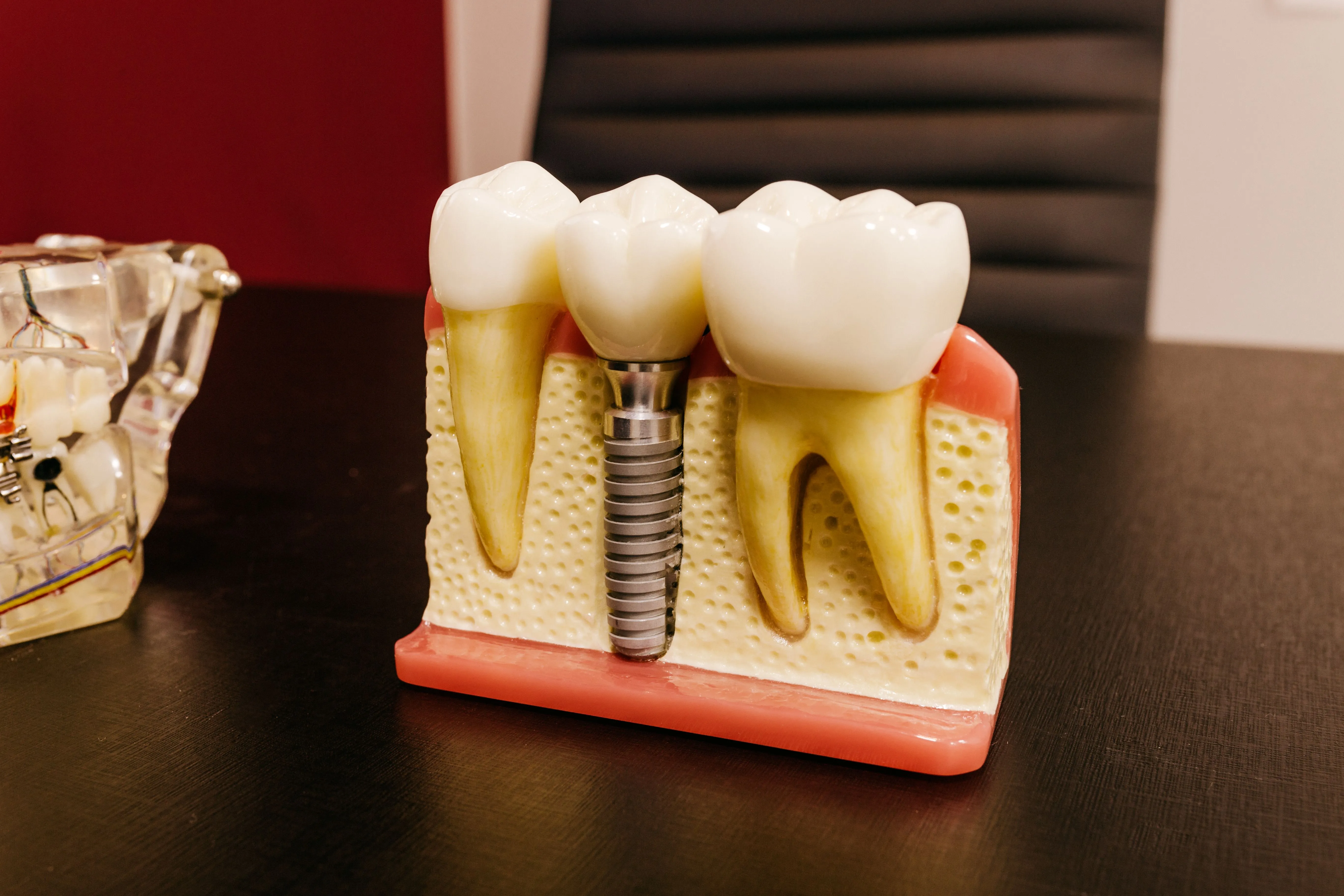
That is one reason following your diet, hygiene, and follow-up instructions remains important even after the initial soreness is gone.
Do not test the implant by deliberately biting hard on it.
Do not repeatedly push on the area with your tongue.
If you have a temporary restoration, follow the instructions you were given about chewing with it. Some temporary restorations placed at the time of implant surgery may have specific functional restrictions.
If you want to understand how implants are planned and placed at Restore, visit our dental implants page. Patients replacing a single missing tooth can also learn more about single dental implants.
When Should You Call Restore After Dental Implant Surgery?
Contact Restore Dental Implant Studio if something about your recovery concerns you, especially if you experience symptoms that appear excessive or are worsening instead of settling.
Reasons to contact the office may include:
- Persistent or excessive bleeding
- Severe pain or pain that is becoming harder to manage
- Significant or unexpectedly worsening swelling
- Signs of a possible infection
- An unexpected reaction to medication
- A temporary restoration that feels loose or damaged
- An implant area that suddenly feels different or unstable
- Any postoperative symptom that feels unusual or concerning
You do not need to diagnose the problem yourself before calling.
If you are unsure whether something is normal, contact the team and describe what you are experiencing.
You can find the practice phone number, address, and appointment information on the Restore Dental Implant Studio contact page.
Why Your Follow-Up Visit Matters
Implant recovery continues beneath the gum even after you are comfortable enough to return to your normal routine.
Follow-up visits allow the doctor to evaluate healing, examine the tissues around the surgical site, and monitor the implant as it progresses toward restoration.
Keep the follow-up appointments recommended for you, even if everything feels normal.
Dental implants are designed as a long-term tooth replacement, and early healing is only one stage of that process.
At Restore Dental Implant Studio, implant treatment is planned around the individual patient and the procedure performed. Your personalized instructions should always take priority over general information found online, including this page.